
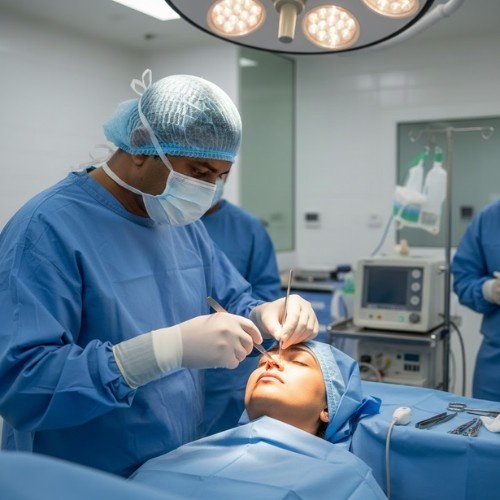
Rhinoplasty is a cosmetic and functional surgical procedure designed to reshape the nose, improve facial harmony, and correct breathing difficulties. The treatment can address concerns related to nose size, shape, symmetry, tip definition, nasal bridge, and nasal deviations, while maintaining a natural appearance that complements the face.
You may be a suitable candidate for rhinoplasty treatment if you:
Are unhappy with the shape or size of your nose
Have a nasal hump, wide bridge, or drooping tip
Experience breathing difficulties due to structural issues
Desire improved facial balance and harmony
Are in good overall health
Have realistic expectations
A personalised consultation is essential to evaluate nasal anatomy, facial proportions, and treatment goals.
Detailed facial and nasal assessment during consultation
Customised surgical planning based on anatomy and goals
Procedure performed under general or local anaesthesia
Reshaping of nasal bone, cartilage, or both
Correction of septal deviations if required
Application of nasal splint for support
Short observation period or same-day discharge
The surgical approach (open or closed rhinoplasty) is selected to ensure safety and optimal results.
Enhances nose shape and facial harmony
Corrects nasal asymmetry and structural concerns
Improves breathing function (if required)
Long-lasting or permanent results
Natural-looking nasal appearance
Boosts confidence and self-esteem
Swelling and bruising around the nose and eyes initially
Nasal splint worn for 1–2 weeks
Gradual improvement as swelling subsides
Final results visible over several months
Permanent aesthetic and functional improvement
Healing timelines vary depending on individual anatomy and procedure complexity.
Keep the nasal splint dry and intact
Avoid nose blowing and heavy lifting temporarily
Sleep with head elevated
Follow prescribed medications and care instructions
Attend scheduled follow-up appointments
Proper aftercare is essential for safe healing and optimal results.
Yes. When performed by experienced and qualified surgeons, rhinoplasty is a safe and well-established procedure.
Discomfort is usually mild to moderate and well controlled with prescribed medication.
Closed rhinoplasty leaves no visible scars. Open rhinoplasty may leave a small, barely noticeable scar under the nose.
Most patients return to normal activities within 1–2 weeks, with continued healing over several months.
Yes. Rhinoplasty provides long-lasting or permanent results.